

Private day on both banks with Tutankhamun's tomb
Private, full day, both banks · 8 hours
✓ Free cancellation
from $72
Book on GetYourGuide
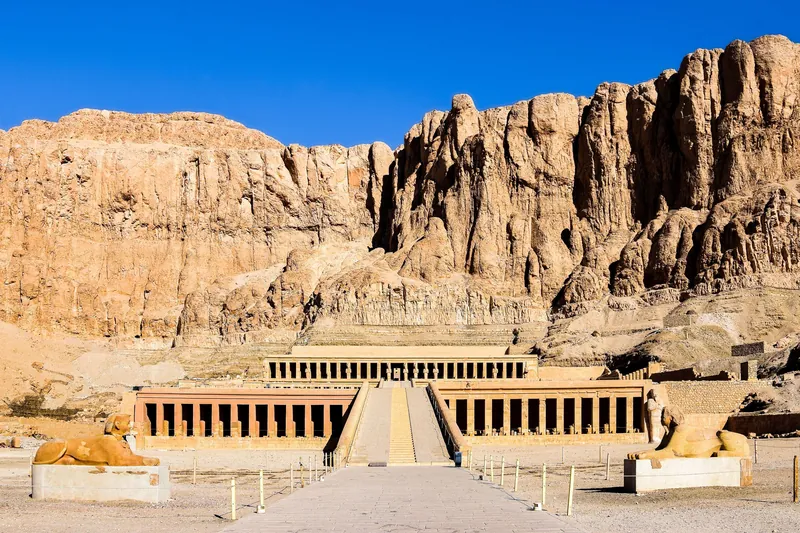
Royal tombs in the hills of Luxor’s West Bank, Hatshepsut’s temple and a balloon at dawn. Compare guided tours from Luxor and day trips from Hurghada, and book the one that fits your days.
Main season October to April · West Bank sites open at 6:00
A private Egyptologist for both banks with Tutankhamun’s tomb, a small-group day by minivan from Hurghada, and about half an hour in a balloon above the West Bank at sunrise.
Private, full day, both banks · 8 hours
✓ Free cancellation
from $72
Book on GetYourGuideSmall group, minivan
✓ Free cancellation
from $95
Book on GetYourGuideShared basket, about 30 minutes aloft · 3 hours
✓ Free cancellation
from $88
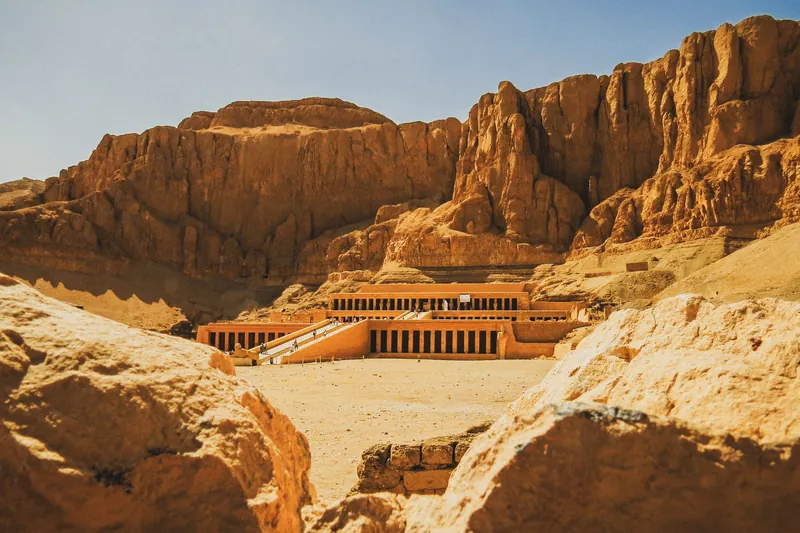
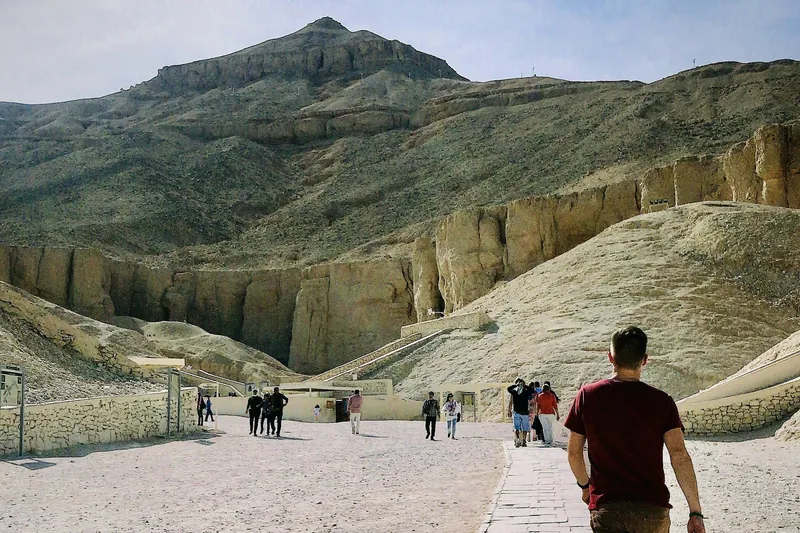
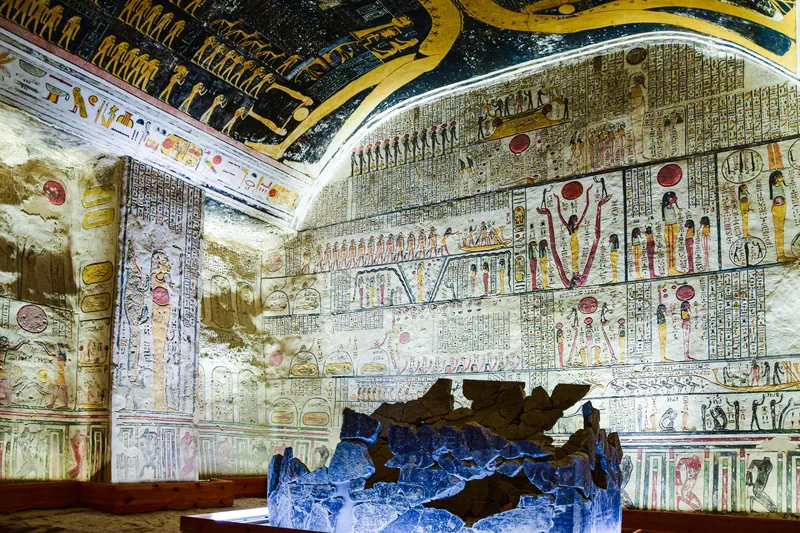
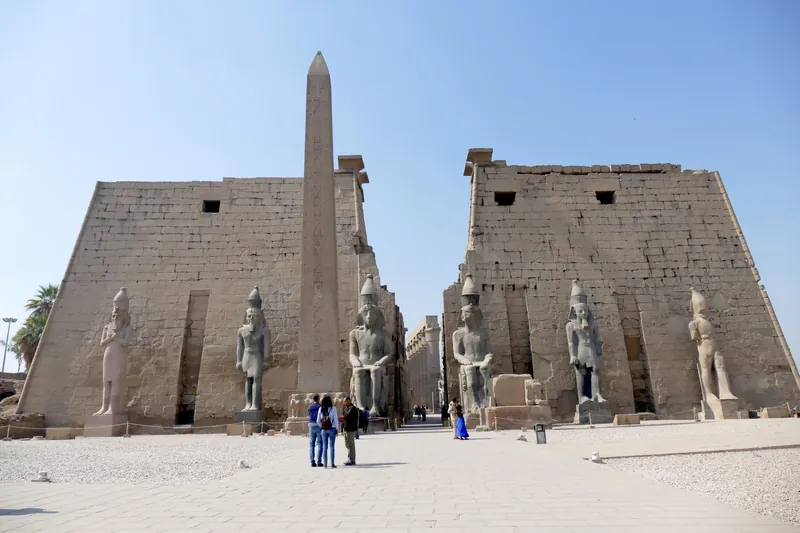
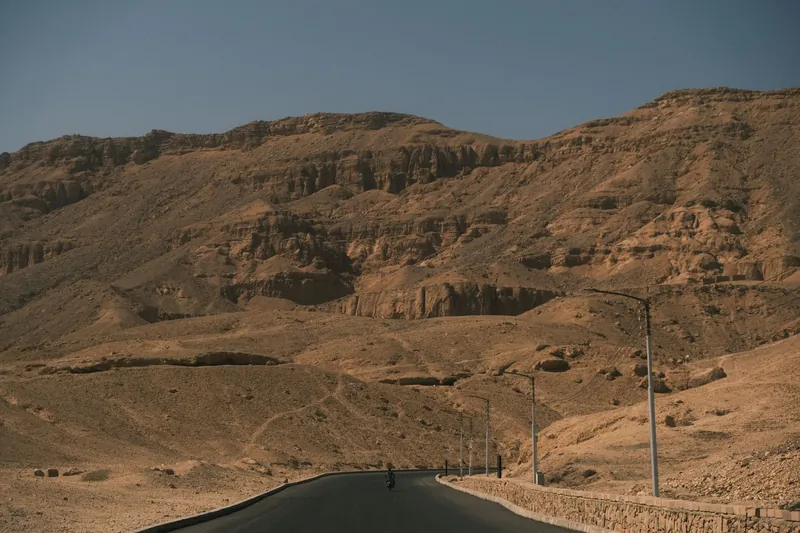
Book on GetYourGuideThe Valley of the Kings is a desert wadi in the hills on the West Bank, opposite the temples of ancient Thebes. Between about 1500 and 1000 BCE, Egypt’s kings were buried here in tombs cut into the rock. UNESCO lists the valley as part of Ancient Thebes with its Necropolis, together with Karnak, Luxor Temple, the Valley of the Queens and the terraced temple of Hatshepsut at Deir el-Bahari. The tombs have been numbered since 1827, starting with KV1, and the largest known one, KV5, has more than 120 chambers and is closed to visitors.
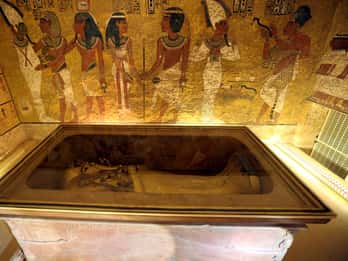
The most famous tomb is that of Tutankhamun, KV62. Howard Carter’s team, funded by Lord Carnarvon, found its first step on 4 November 1922. It needs an extra ticket, as do the tombs of Seti I and of Ramesses V and VI; the main ticket covers three tombs from those open on the day. The guide to the valley and the page on tombs and extra tickets help you choose.
Heat shapes the visit more than anything else. Average highs at the Luxor weather station range from about 23 °C in January to 41 °C in July, and the tombs are warm inside all year. The West Bank sites open at 6:00, and the valley is busiest from about 10:00 to 14:00, so an early start pays off in every season. The best time to visit goes through the months.
October to April is the main season, with average highs from about 23 °C in January to 35 °C in April. In any month, arrive at the 6:00 opening: the valley is busiest from about 10:00 to 14:00, and the tombs are warm inside all year.
The main ticket covers three tombs from the list open on the day. Tutankhamun, Seti I and Ramesses V and VI need their own tickets, which are sold only at the visitor centre. Prices as of November 2026 are on our tickets page.
Yes. The road to Luxor is about 295 km, close to four hours each way, so day trips pick up between 3:00 and 5:00 and return in the evening. Two-day trips with a night in Luxor are the calmer alternative.
No. Flights over the West Bank take off shortly before sunrise and are cancelled when the wind is too strong, sometimes at short notice. Book for your first morning in Luxor so that a later one remains as a fallback.
No. Visit Valley of the Kings is an independent guide. The monuments are managed by the Supreme Council of Antiquities within Egypt’s Ministry of Tourism and Antiquities, whose official booking portal for the sites is egymonuments.com.
Tours from $12
Compare tours