The best time to visit the Valley of the Kings
October to April is the main season, with daytime highs from the low twenties to the mid thirties. The hour matters as much as the month: the first two hours after the 6:00 opening are the calmest in the valley.

Sunrise balloon over the West Bank
Shared basket, about 30 minutes aloft · 3 hours
✓ Free cancellation
from $88
Book on GetYourGuide
Private sunset felucca
Private boat, 2 hours · 2 hours
✓ Free cancellation
from $29
Book on GetYourGuide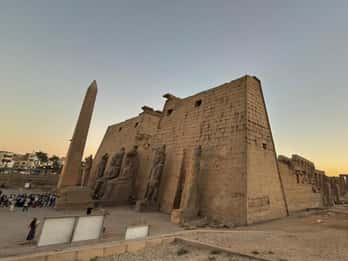
Luxor Temple in the evening light, private
Private, 2 hours · 2 hours
✓ Free cancellation
from $31
Book on GetYourGuide
Luxor has a desert climate with almost no rain, so the question is less about the weather turning bad than about how hot it gets. Long-term records for the Luxor weather station give average highs of about 23 °C in January and 41 °C in July. The season for most visitors runs from October to April. Outside it, the sites stay open and tours run, but the day has to be planned around the heat.
Month by month
The figures below are long-term averages for the Luxor station from an independent climate database. They are guide values, not official figures from the Egyptian Meteorological Authority.
December and January are the coolest months. Mornings start cold: lows around 7 °C mean a jacket for a balloon flight or the drive to the West Bank, while the afternoon can be warm enough for short sleeves. Explore Luxor advises booking balloon flights one or two days ahead at this time of year. November and February have a similar feel with slightly more warmth.
March and April warm up quickly. The German Foreign Office notes that sandstorms can occur in Upper Egypt, mainly in spring, and balloon operators report that the Khamsin wind grounds flights most often in March and April, sometimes for several days in a row. Keep a spare morning if the balloon matters to you.
From May to September the averages pass 39 °C. Tours run all year, and reviews come from every month, but a September 2026 review of a day trip from Hurghada mentions 42 °C. In summer, plan the West Bank for opening time and stay inside or on the water at midday.
The hour matters as much as the month
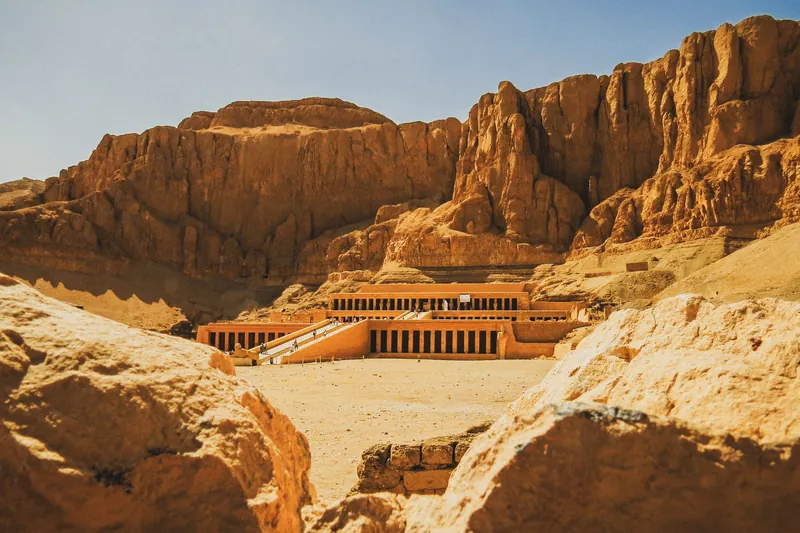
The Valley of the Kings, Hatshepsut’s temple and the other West Bank sites open at 6:00. The valley is most crowded between about 10:00 and 14:00 and relatively empty around 8:00. Arriving at opening is worth it in any month: in December the sun rises at about 6:32, so you walk in at first light, and in June the sun is up at 5:59 and you get the coolest hours.
The tombs are warm inside all year; one guide found several of them very warm even in December. Sunset falls around 17:00 in winter and after 19:30 in midsummer. Luxor Temple takes visitors until a last entry at 19:00 all year, according to the official ticket portal, egymonuments.com, which makes it a good late visit after a West Bank morning.
Balloons and the seasons
Hot air balloons take off over the West Bank shortly before sunrise. Operators advertise flights all year, but in late May 2026 Le Petit Journal, a French-language newspaper in Cairo, reported that the civil aviation authority had suspended flights over Luxor from 1 June to 31 August 2026 because of the summer heat. Whether that will happen again in 2027 is not known, so check with the operator if you travel in summer. No flight is guaranteed in any season: wind cancels departures, sometimes at short notice. The balloon page explains how the morning works.

Clocks and dates
Egypt uses UTC+2 in winter and summer time at UTC+3 from the last Friday in April to the end of October. In 2026 the clocks went back on 30 October; in 2027 summer time runs from 30 April to 29 October. Most of the year Egypt is one hour ahead of Germany, and the gap changes for a few weeks around the switch dates, when the two countries change their clocks on different days.
The Luxor African Film Festival holds its 16th edition from 25 to 31 March 2027. The Moulid of Abu el-Haggag at Luxor Temple, with boats carried round the temple and Sufi music, takes place about two weeks before Ramadan; the date for 2027 has not been published in the sources used here. For clothing and the sun, see weather and what to wear.
All tours side by side
Tours timed for the best light of the day: balloons at sunrise over the West Bank, a felucca at sunset and Luxor Temple as the afternoon fades.
| Tour | Format | Duration | Age | Rating | From |
|---|---|---|---|---|---|
| Sunrise balloon over the West BankSunrise ballooning luxorAbout 30 minutes in the air at dawn over the West Bank, with pickup from central Luxor hotels or cruise ships and a flight certificate after landing. | Shared basket, about 30 minutes aloftBalloon flight, hotel or ship transfers | 3 hoursPickup from hotels or cruise ships in central Luxor | From 6 years | 4.8 (1,901 reviews) | From $88Free cancellationBook on GetYourGuide |
| Deluxe sunrise balloon, about 45 minutesSindbad Balloons Co.A pre-dawn pickup, a crossing to the West Bank and a flight of about 45 minutes, with tea, coffee, a flight certificate and insurance included. | Shared basket, about 45 minutes aloftFlight, tea and coffee, certificate, insurance, transfers | 3 hoursHotel or cruise ship pickup in Luxor | – | 4.6 (427 reviews) | From $95Free cancellationBook on GetYourGuide |
| Private sunset feluccaAlista ToursA private felucca on the Nile at sunset with tea; when the wind drops, a motorboat tows the boat. | Private boat, 2 hoursPrivate felucca with tea, hotel transfer, company host | 2 hoursPickup from selected Luxor hotels | – | 4.9 (418 reviews) | From $29Free cancellationBook on GetYourGuide |
| Luxor Temple in the evening light, privateSun Pyramids ToursPickup at 16:00 and a private guided walk through Luxor Temple as the light fades, with entry fees included. | Private, 2 hoursPrivate guide, entry fees, water, transfers | 2 hoursHotel pickup at 16:00 | – | 4.8 (5 reviews) | From $31Free cancellationBook on GetYourGuide |
Prices and ratings come from the booking platform and are shown in US dollars per person. If you book through these links we earn a commission. Your price stays the same. Sorted by number of reviews.
Questions travellers ask
What is the best month to visit Luxor?
The months from October to April are the most comfortable, with average highs of about 23 °C in January and 35 °C in April. December and January are the mildest months, and a local guide advises booking balloon flights a day or two ahead then.
Is it too hot to visit the Valley of the Kings in summer?
It is hot: average highs from June to August are around 41 °C, and the tombs are warm inside all year. The sites open at 6:00, so a summer visit works if you go at opening time and finish before midday.
Do hot air balloons fly all year?
Operators advertise flights all year. For 2026, a newspaper in Cairo reported that the civil aviation authority suspended flights over Luxor from June to August because of the heat, and whether that applies again in 2027 is not known. Spring winds can also ground balloons for several days.
What time of day is best for the tombs?
Arrive at opening time. The valley is busiest from about 10:00 to 14:00 and quieter again in the last hour or two before last entry, which the official ticket portal gives as 17:00 in summer and 16:00 in winter.
Does Egypt use summer time?
Yes. Egypt moves its clocks to UTC+3 from the last Friday in April to the end of October. In 2027 that runs from 30 April to 29 October.
Where these facts come from
Dates, opening hours and rules change. We checked these pages in October 2026; the official source has the final word.
- US Naval Observatory: sun and twilight times, Valley of the Kings
- timeanddate.com: Daylight saving time changes in Egypt, 2027
- Weather and Climate: Climate of Luxor (station 62405)
- Auswärtiges Amt: Ägypten, Reise- und Sicherheitshinweise
- Le Petit Journal Le Caire: balloon flights over Luxor suspended for summer (29 May 2026)
- EarthTrekkers: Valley of the Kings, the complete guide for 2026
- Scene Now: Luxor African Film Festival 2027
- Tour pages on GetYourGuide and Viator, checked 2 November 2026